
Table of Contents
When it comes to hitting the slopes, safety is always my number one priority—especially when it comes to the kids. Whether you’re a ski pro or a total newbie, making sure your little ones are geared up properly is non-negotiable. And let’s be honest, one of the most important pieces of gear for kids is the kids ski helmet. I’ve learned firsthand how crucial a good helmet is, and trust me, it’s not something you want to skip. In this guide, I’m diving into everything you need to know about kids ski helmets: how to pick the best one, how to measure for the right size, and why it’s an absolute must-have for any young skier. Let’s get into it, because nothing beats a day on the mountain knowing your child is safe and sound!
Why Your Child Needs a Kids Ski Helmet?
Skiing and snowboarding come with their share of risks, and protecting your little one should be at the forefront of every trip to the slopes. A kids ski helmet is designed to protect their head from injury during falls, collisions, or other accidents. It’s not just a suggestion; it’s a necessity. Many ski resorts even require kids to wear helmets for safety reasons.
The Importance of a Ski Helmet for Kids
- Protection Against Head Injuries: The primary function of any ski helmet is to prevent head injuries. Falls can happen unexpectedly, and a helmet cushions impacts, reducing the risk of concussions and serious head trauma.
- Warmth and Comfort: Ski helmets are designed to keep the head warm, ensuring your child stays comfortable in cold weather conditions. Some helmets even feature built-in ear protection.
- Enhanced Visibility and Style: Modern helmets often come with bright colors and designs, making your child more visible on the slopes, which is important for safety.
Ski Helmet vs Bike Helmet: Why Ski Helmets Are Different
It’s common for parents to wonder whether they can use a bike helmet for skiing. While bike helmets and ski helmets share some similarities, they are designed for different purposes.
- Protection Levels: Ski helmets are designed to protect against higher impacts. They are built to handle the forces that come with skiing or snowboarding, while bike helmets are designed for lower-speed impacts.
- Design: Ski helmets cover more of the head, including the ears, offering extra protection in cold conditions. They also feature adjustable vents for temperature control.
- Durability: Ski helmets are made with materials designed to withstand the cold and harsh environments on the slopes.
In short, a ski helmet offers better protection for skiing or snowboarding than a bike helmet. So, do you need a helmet to ski? The answer is absolutely yes!
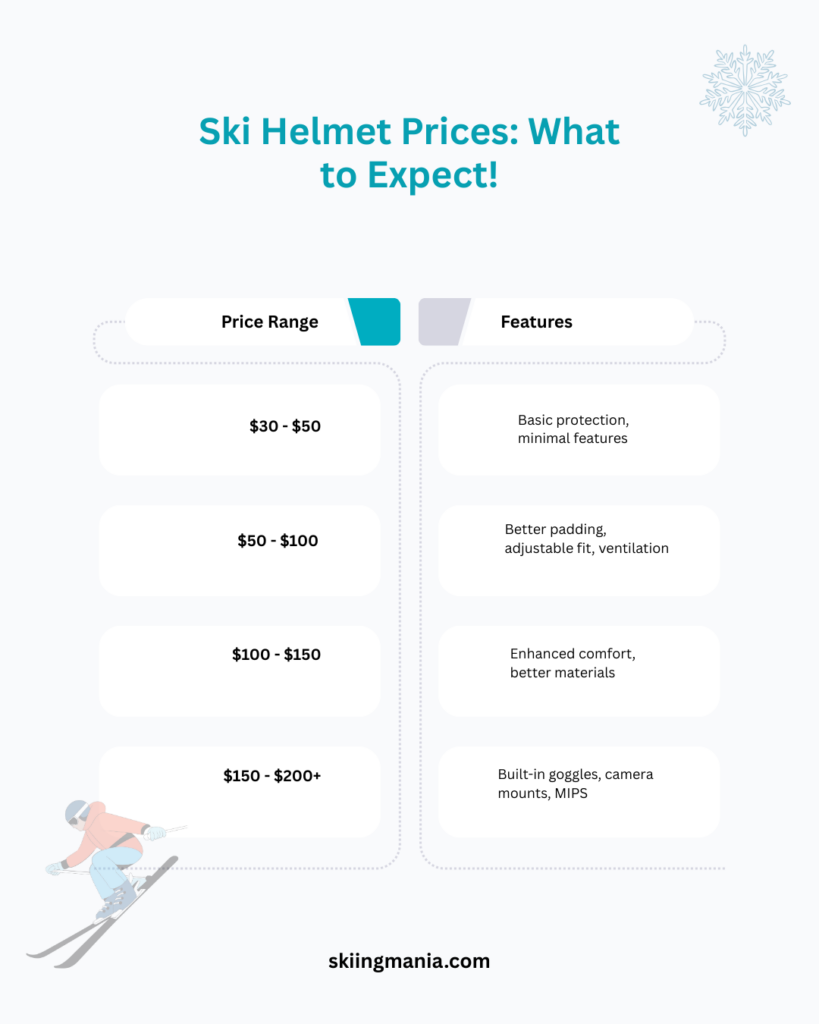
Ski Helmet Cost: What Should You Expect to Pay?
The price of a kids ski helmet can vary based on brand, features, and materials:
- Budget Helmets: Starting around $30, offering basic protection and comfort.
- Mid-Range Helmets: Typically $50 to $100, with better padding, adjustable fit, and ventilation.
- High-End Helmets: $150 to $200+, featuring built-in goggles, ventilation, and camera mounts.
What Affects the Price?
- Brand: Well-known brands often cost more.
- Safety Features: Helmets with extra protection like MIPS can be pricier.
- Added Features: Things like goggles or camera mounts can increase the cost.
Keep an eye out for ski helmet deals to snag discounts on quality gear!
How Long Do Ski Helmets Last?
Ski helmets are designed to last several seasons, but their lifespan depends on a few factors. If your child has had a significant fall or injury, it’s a good idea to replace the helmet. Helmets should generally be replaced every 3 to 5 years, as the materials can degrade over time, compromising their protective capabilities.
What to Look for in the Best Kids Ski Helmet
Credit: outdoormaster.com
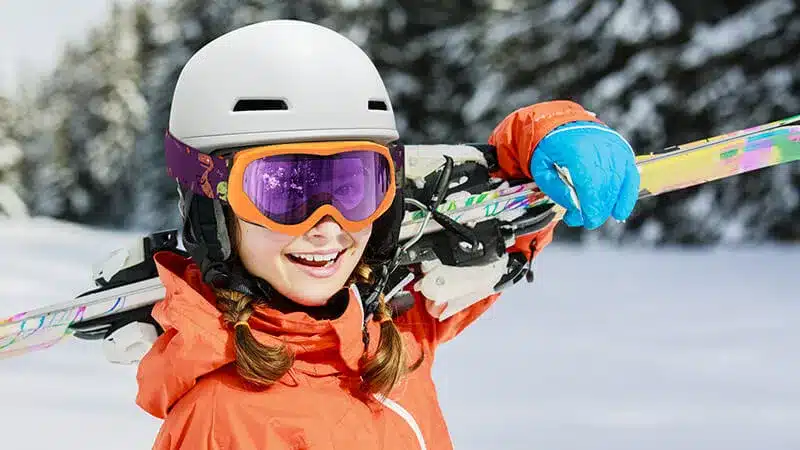
Choosing the right best kids ski helmet is crucial for both comfort and safety. Here’s what you should keep in mind:
a. Fit and Size
A proper fit is essential for maximum protection. Use a ski helmet size chart to measure your child’s head before purchasing. The helmet should fit snugly but not be too tight. The chin strap should be adjustable, and the helmet should sit comfortably on your child’s head without sliding around.
How to Measure Ski Helmet Size?
- Measure the circumference of your child’s head, just above the eyebrows.
- Compare the measurement to the sizing chart provided by the manufacturer.
- Make sure the helmet fits snugly without any gaps.
b. Helmet Features
Some helmets come with additional features that enhance safety and comfort:
- Magnetic Ski Helmet: These helmets come with magnetic chin straps, making them easy to fasten and adjust.
- Camera Attached to a Ski Helmet: For adventurous kids, some helmets have mounts where you can attach a helmet camera to record their skiing moments.
- Ski Helmet with Goggles: A helmet and goggle set is perfect for preventing snow and wind from getting into your child’s eyes, making their skiing experience more enjoyable.
- Kids Ski Helmet Cover: A cover can help protect the helmet from scratches, and some are designed to add extra warmth.
c. Ventilation and Comfort
Good ventilation is important for comfort. Helmets with adjustable vents allow for airflow, helping to regulate temperature during intense activity. Some helmets also have removable liners that make cleaning and drying easy.
Choosing the Best Ski Helmet for Kids: Our Top Picks
Here are a few features and options to consider when buying the best ski helmet for kids:
- Adjustability: Look for helmets with adjustable sizing to accommodate your child’s growing head. Some helmets also come with adjustable ear pads.
- Safety Certifications: Ensure the helmet meets safety standards like ASTM F2040 or CE EN1077.
- Comfort and Fit: A comfortable, well-fitting helmet ensures your child will wear it throughout the day, keeping them safe.
- Helmet and Goggles Set: A helmet paired with goggles is a great choice for kids. It provides better coverage and eliminates the need to search for compatible gear.
FAQ’s
Here are five common questions about kids’ ski helmets:
What to wear under a ski helmet?
A thin, moisture-wicking balaclava or headband is ideal to keep sweat away.
Can I use a ski helmet for biking?
No, ski helmets and bike helmets are designed for different activities and offer different levels of protection.
Are helmet cameras allowed on ski helmets?
Yes, many ski helmets have mounts for cameras, but check resort rules first.
How do I know if a ski helmet fits?
Use a ski helmet size chart and ensure it fits snugly without shifting when your child moves their head.
Do ski helmets have expiration dates?
Yes, replace helmets every 3-5 years or after a significant fall.
Ending Remarks
A kids ski helmet is a total game-changer for young skiers and snowboarders. It keeps their head safe from injury while ensuring they stay warm and comfy on the slopes. When choosing one, I always make sure it fits just right, has good ventilation, and meets the safety standards. At the end of the day, your child’s safety is everything. So, before you hit the mountain, make sure they have the best helmet for their adventure. And hey, don’t forget to check out my guide on ski boot bags for travel and explore the different types of ski boots to complete their gear!
Here’s to safe and fun skiing!
