
Table of Contents
Skiing is one of those exhilarating outdoor activities where the cold weather is part of the thrill. But let’s be honest: there’s nothing fun about freezing on the slopes. If you’ve ever spent a whole day skiing only to find yourself shivering or overheating, you know that the key to enjoying your time on the mountain is layering for skiing. Best layering for skiing isn’t just about putting on a bunch of clothes—it’s about choosing the right layers for skiing that will keep you warm, dry, and comfortable no matter the conditions.
In this blog, we’re going to break down how to layer for skiing and make sure you stay cozy while enjoying the thrill of the slopes.
Why Layering for Skiing is Important
Credit: spyder.com
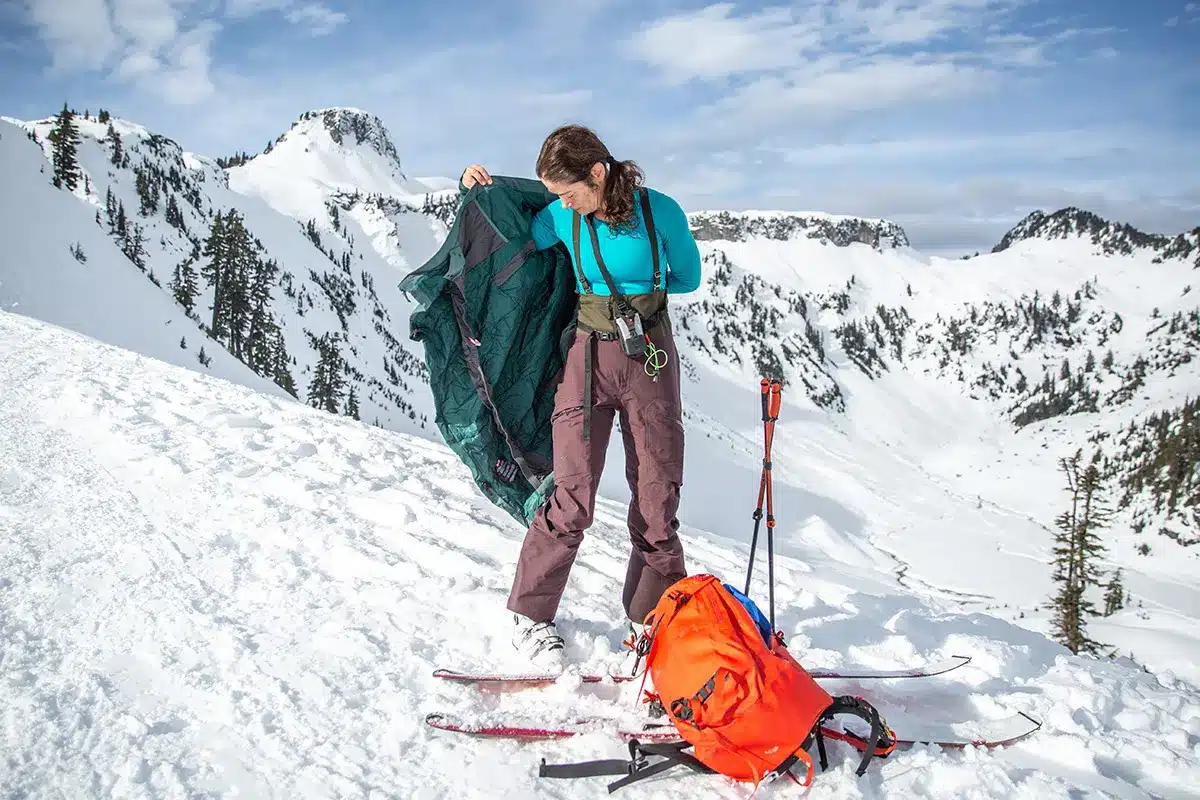
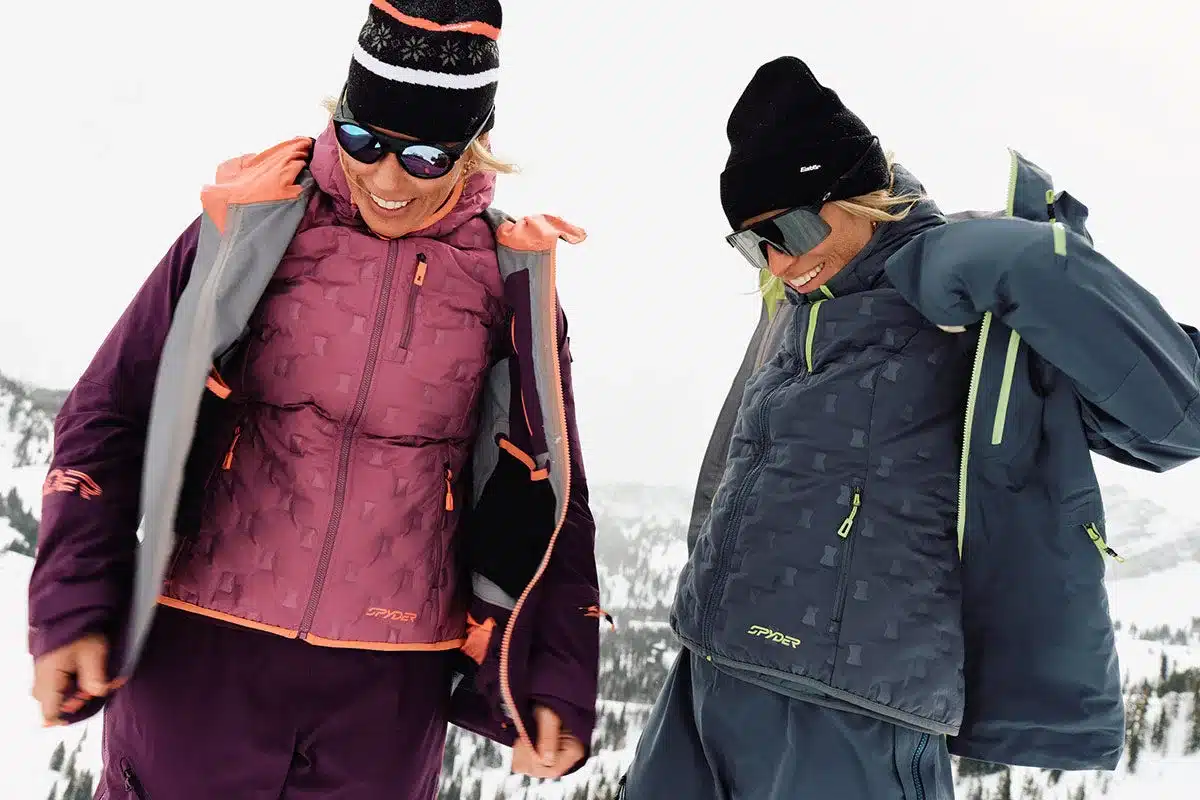
The conditions you face on the mountain can change throughout the day, so wearing the right layers gives you the flexibility to adjust your comfort level accordingly. The right clothing layers for skiing will help you:
- Regulate your body temperature: Add or remove layers of clothing for skiing based on how warm or cold you feel.
- Stay dry: Moisture is your enemy on the slopes. If your base layer gets too sweaty, you’ll feel cold and uncomfortable.
- Be prepared for any condition: Whether it’s sunny or snowing, layering for skiing helps you stay protected.
- Maximize comfort: By wearing the right materials and fits, you avoid chafing, discomfort, or overheating.
The Three Essential Layers for Skiing
When it comes to dressing for skiing, you’ll need to focus on three main layers: the base layer, mid layer, and outer layer. Each layer serves a specific purpose, and when combined, they provide a perfect balance of insulation, moisture control, and protection from the elements.
Base Layer: The Foundation of Comfort
Credit: cordova.co
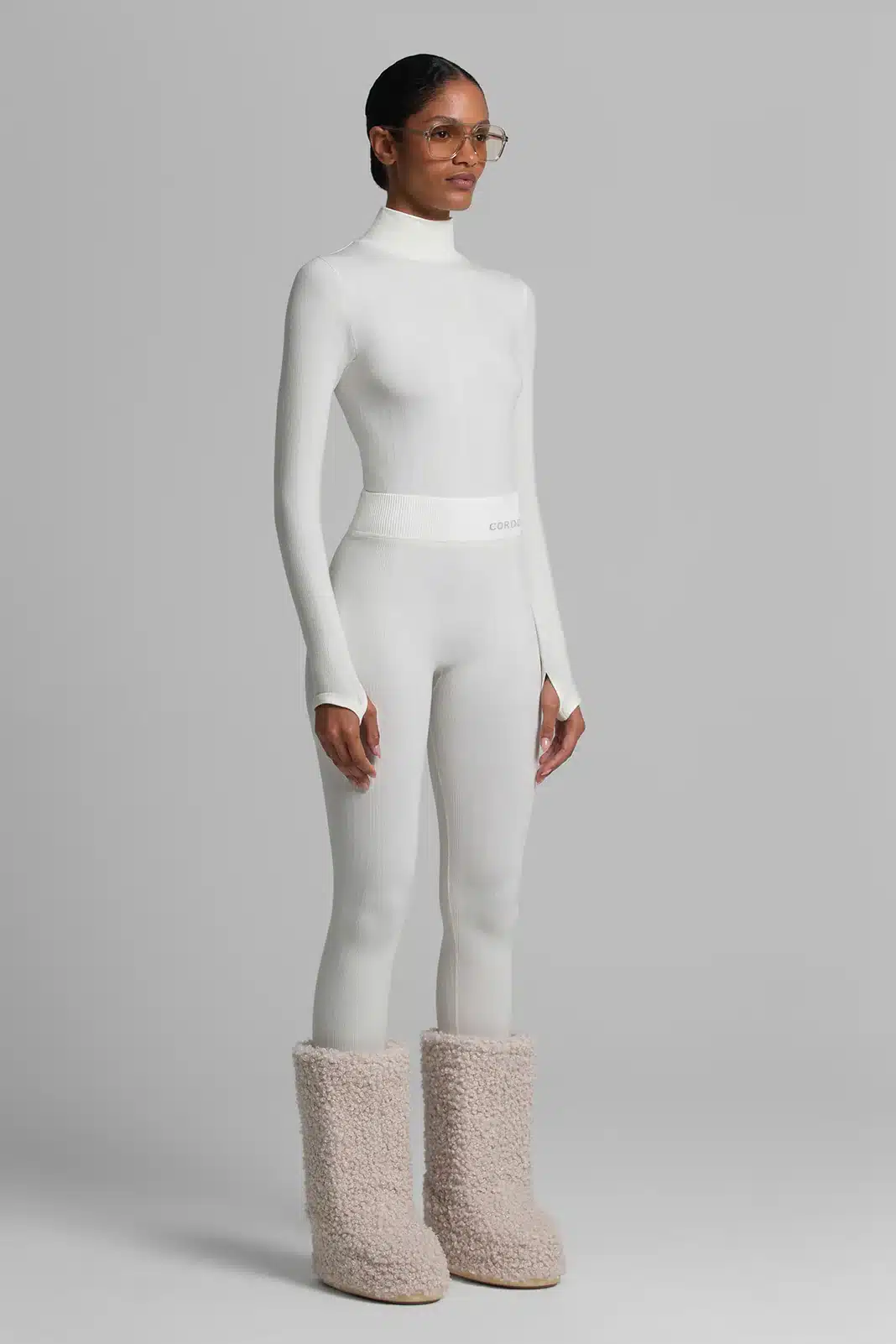
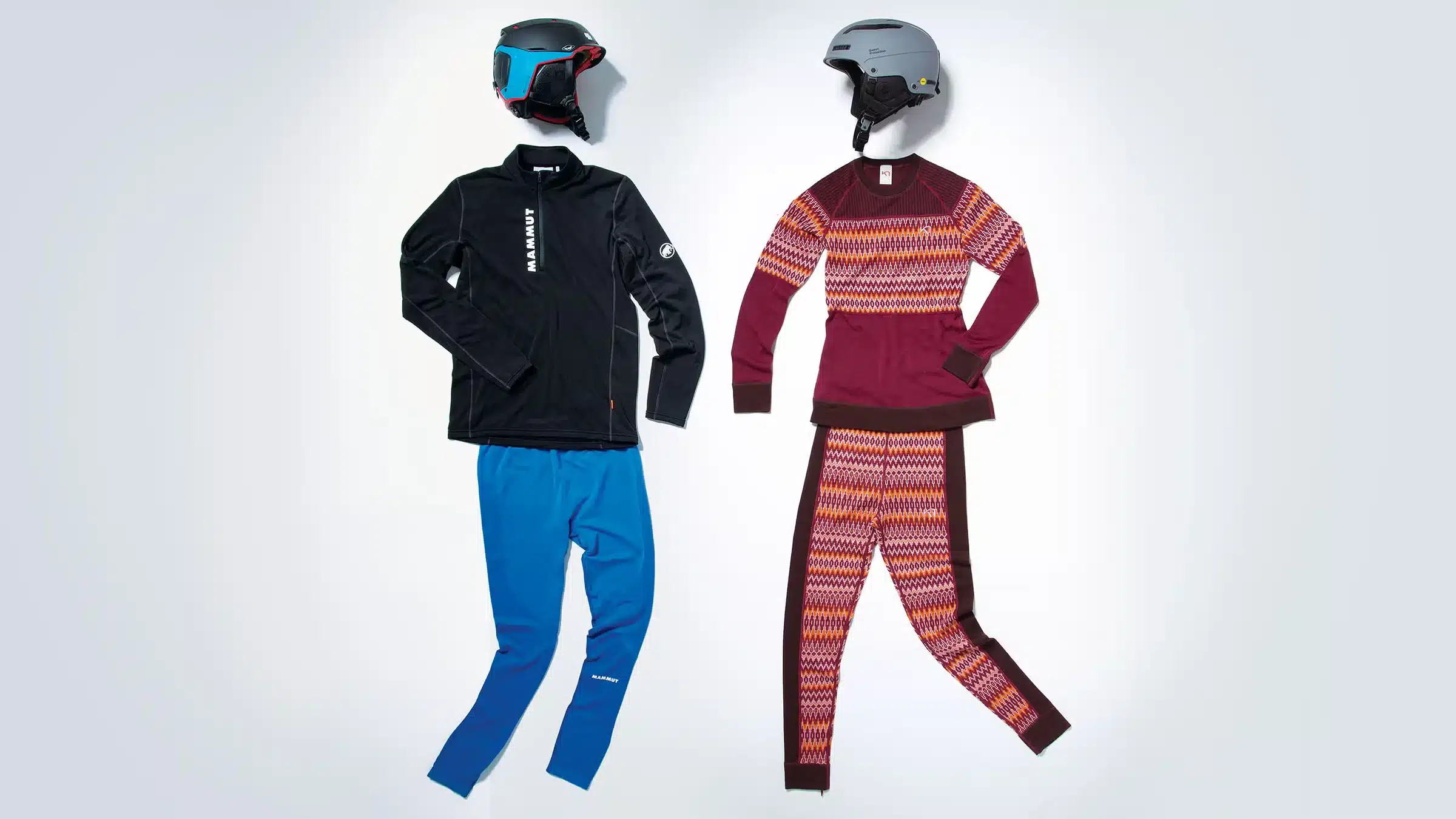
The base layer is the one closest to your skin. Its job is to wick away sweat and moisture, keeping your skin dry and warm. When you’re skiing, your body generates heat, but if sweat builds up, it can make you cold and uncomfortable. That’s where the best base layers for skiing come in.
- Materials: The best base layers for skiing are made of moisture-wicking materials like merino wool or synthetic fabrics such as polyester or nylon. These fabrics pull moisture away from your body and allow it to evaporate.
- Fit: A good base layer should fit snugly, but not be too tight. It needs to stay in contact with your skin without restricting movement.
- Avoid cotton: Cotton may feel comfortable, but it traps moisture, leaving you wet and cold. Stick to fabrics designed for activewear.
Tip: If you’re skiing in warmer conditions, opt for a lighter-weight base layer. In colder weather, the warmest base layers for skiing, like merino wool, will keep you warm without overheating.
Mid Layer: Insulation to Keep the Heat In
Credit: plasticoslatinos.com
The mid layer’s primary job is to provide insulation. It traps your body heat, keeping you warm in the coldest conditions. Depending on the conditions, you can adjust the thickness of your mid layers for skiing.
- Materials: Common insulation materials for mid layers for skiing include fleece, down, and synthetic fills like PrimaLoft or Thinsulate. Down is the warmest option, but it loses its insulating power when wet. Synthetic insulation still provides warmth even if it gets damp.
- Fit: The mid layer should fit comfortably over your base layer but still allow for good movement. It shouldn’t be too bulky or tight.
- Breathability: Make sure your mid-layer is breathable. You don’t want to trap too much heat, as it could lead to overheating.
Tip: If you’re skiing in really cold conditions, go for a thicker fleece or down jacket. For milder weather, a lighter fleece or synthetic layer will suffice.
Outer Layer: The Shield Against the Elements
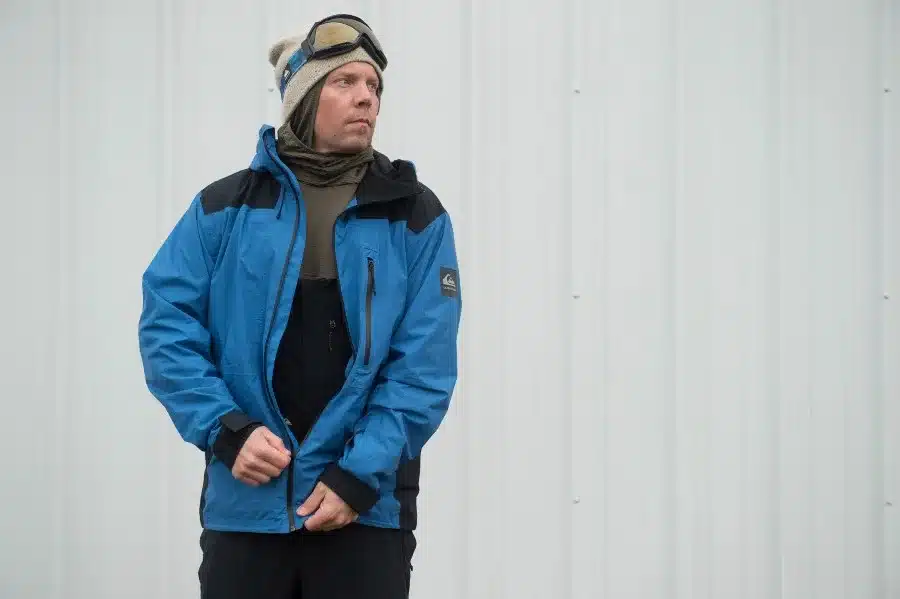
Credit: quiksilver.co.uk
The outer layer is your protection from wind, snow, and rain. It’s the first line of defense against the elements, so you’ll want something waterproof and breathable.
- Materials: The outer layers for skiing are made from waterproof, breathable fabrics like Gore-Tex or other similar materials. These fabrics keep water out while allowing sweat and moisture to escape.
- Fit: Your outer layer should be loose enough to allow for layers underneath, but not too baggy. You don’t want it to flap in the wind or restrict your movement.
- Adjustability: Look for jackets and pants with adjustable hoods, cuffs, and vents. Adjustable features let you adapt to changing weather conditions.
Tip: Make sure your jacket has pit zips or ventilation openings. When you’re skiing hard, you’ll generate a lot of heat, and these vents let you cool down quickly.
Now that we are sorted for layering, why not talk about ski boots that are made to withstand extreme conditions? Check it out and thank me later.
How to Layer for Different Skiing Conditions
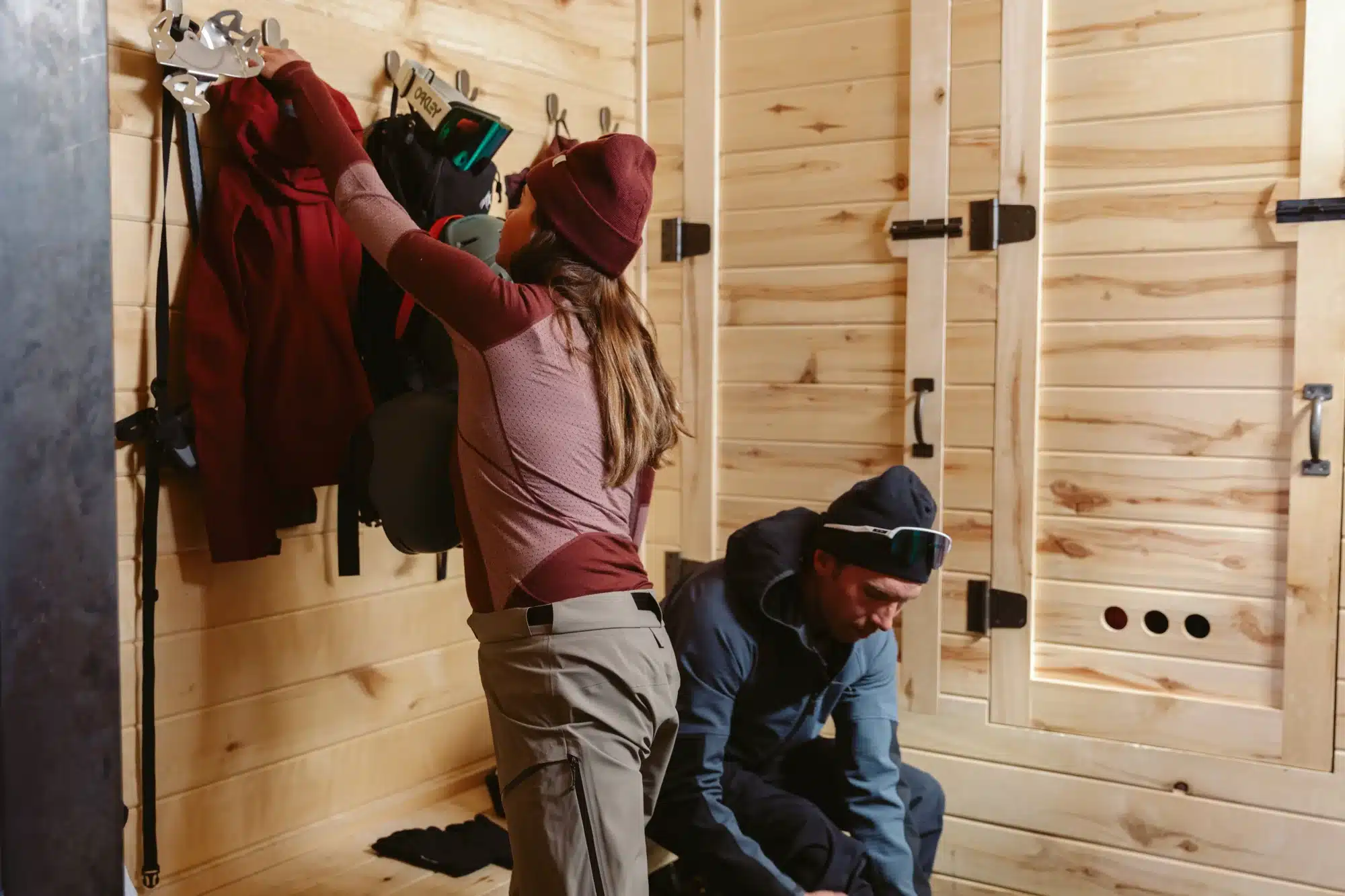 Credit: artilectperformance.com
Now, obviously, skiing conditions can vary, and your layering system should adjust based on the weather and activity level.
For Cold, Clear Days
- Base Layer: A medium to heavy-weight merino wool or synthetic base layer will keep moisture away while keeping warmth in.
- Mid Layer: A thicker fleece or down jacket will help insulate you on these chillier days.
- Outer Layer: A fully waterproof, windproof shell jacket with some insulation will provide protection from the elements.
For Warm Days
- Base Layer: A lighter-weight base layer made of moisture-wicking material will keep you dry without overheating.
- Mid Layer: Lighter fleece or even just a thin long-sleeve shirt will provide enough warmth.
- Outer Layer: A breathable, water-resistant jacket is all you need. Ventilation options are key here.
For Windy or Snowy Days
- Base Layer: Stick to a moisture-wicking, warm base layer to stay dry.
- Mid Layer: Opt for a heavier synthetic-insulated layer for warmth in snow.
- Outer Layer: A solid, waterproof, windproof jacket is essential to keep snow and wind from getting in.
Layering Tips for Skiing
To get the most out of your layers for skiing, follow these tips to stay comfortable all day long:
- Ventilation is key: Adjust your layers for skiing throughout the day to manage temperature. Open up pit zips or venting openings if you start to overheat.
- Don’t forget your neck and hands: A neck gaiter, warm gloves, and insulated mittens will keep you comfortable.
- Socks are important: Ski socks should be made from merino wool or synthetic materials, never cotton. Merino wool regulates body temperature and wicks moisture away.
- Boots matter too: Ski boots should be snug but not too tight. Ensure they’re waterproof to keep your feet dry and warm.
In a Nutshell
Layering for skiing is done with a strategy to stay warm and comfortable no matter the weather. Just remember: it’s all about flexibility. You want the freedom to adjust your layers for skiing as needed, depending on how cold or warm it gets.
So next time you’re gearing up for a day on the slopes, think carefully about each layering system. By following these simple tips and adjusting based on the conditions, you’ll be prepared for anything the mountain throws your way.
Frequently Asked Questions
And now to wrap things up, here are the answers to your most commonly asked questions.
What’s the best material for ski base layers?
Merino wool or synthetic fabrics like polyester are the best options. They keep you dry and warm.
How many layers do I need for skiing?
You need at least three layers for skiing: a base layer, a mid layer, and an outer layer. Adjust these based on the weather.
Can I wear cotton when skiing?
No! Cotton traps moisture, making you cold. Stick to moisture-wicking fabrics like merino wool or synthetic materials.
How do I avoid overheating while skiing?
Ventilate your layers when you start to warm up. Open the pit zips or remove a mid-layer if necessary.
What’s the difference between a shell and an insulated ski jacket?
A shell is lightweight and waterproof but not insulated. An insulated jacket provides warmth but may not be as breathable.
