
Table of Contents
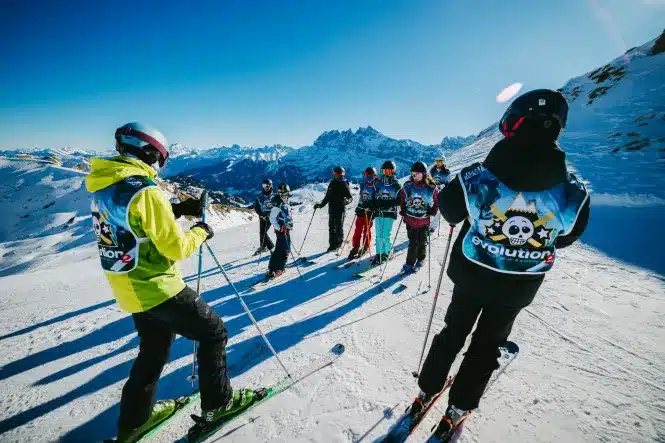
Skiing is all about that rush of adrenaline, the wind in your hair, and carving down those gorgeous snowy slopes. But let’s face it – while the thrill is unbeatable, the slopes come with their own set of rules. It’s not just a free-for-all to race down as fast as you can. No, skiing is more than just a sport; it’s a community where safety, respect, and common sense collide. Whether you’re strapping on skis for the first time or you’re a seasoned pro, keeping these skiing rules in mind is key to making sure both you and everyone around you stay safe and have an amazing time. So, let’s break it down!
Why Skiing Rules Matter: Stay Safe, Have Fun!
Following skiing rules is key to making sure everyone enjoys their time on the slopes. It’s not just about safety—it’s about respect for others and keeping the fun going!
Here’s why they matter:
- Prevent accidents: Stay in control and avoid collisions.
- Respect others: Share the slopes safely with fellow skiers.
- Stay safe: Avoid risky areas and follow posted signs.
- Lead by example: Inspire others to follow the rules too.
Remember, skiing rules are there to keep the fun safe for everyone!
10 Essential Skiing Rules for Safety
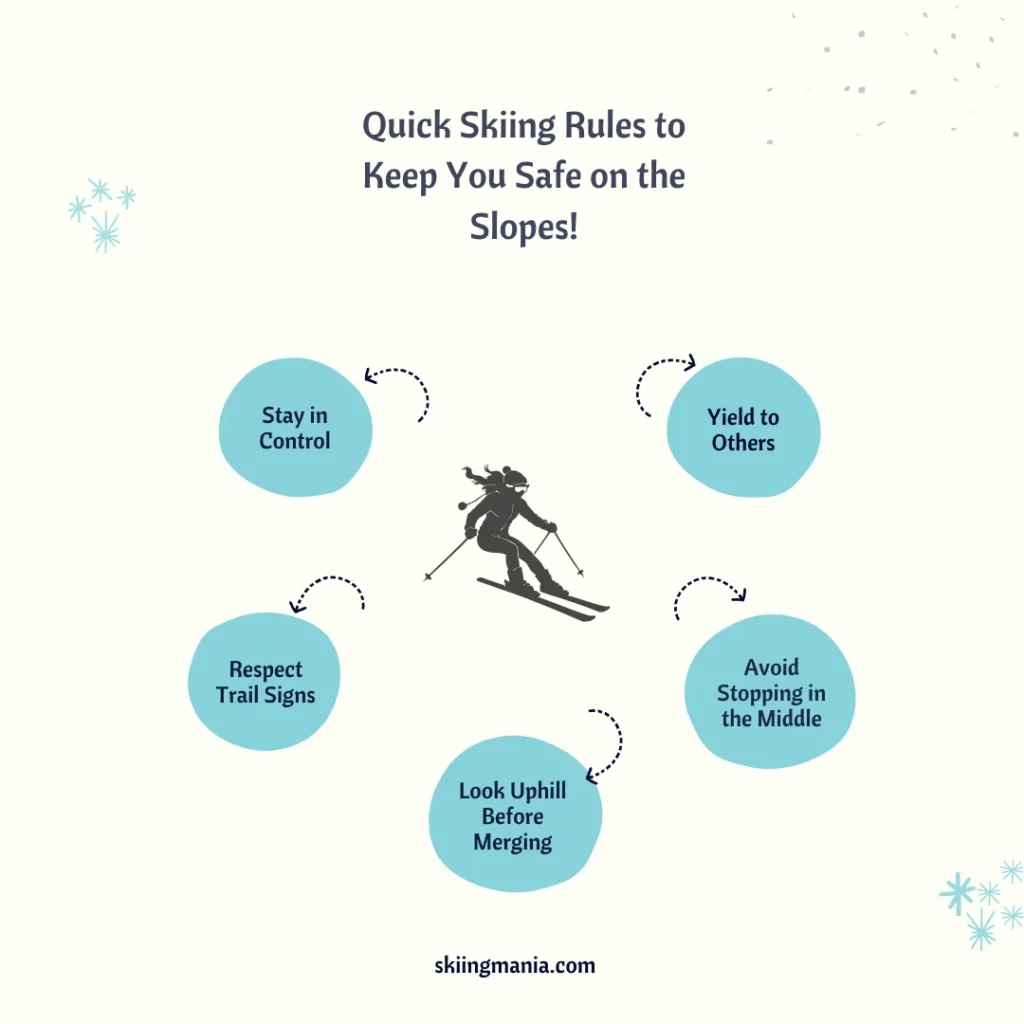
Here are the 10 must-follow rules of skiing that’ll keep you cruising smoothly and respectfully on the mountain. Let’s hit the slopes the right way!
Stay in Control – The Ultimate Rule of Skiing Safety
When you’re speeding down the slopes, control is everything. The rules of skiing safety start with this essential rule: you need to stay in control of your speed and direction at all times. Skiing or snowboarding isn’t a race, and it’s crucial to maintain a pace that allows you to stop or avoid obstacles (like people or objects) should you need to.
- Always ski within your ability level. Don’t overestimate your skills.
- Control your speed depending on traffic and terrain.
- Slow down in areas with heavy skier or snowboarder activity.
Know the Responsibility Code – The Skier’s Bible
As a skier, it’s your duty to know the skier responsibility code. These rules of conduct are designed to protect you and everyone else around you. You’ll find these rules posted around ski resorts, and it’s important to follow them.
- Yield to those ahead of you: They have the right of way.
- Avoid stopping in the middle of the trail: If you need to stop, pull over to the side.
- Merge with caution: Always look uphill before merging into a trail.
Be Mindful of Ski Lifts – The Starting Point for Every Run
Credit: peakrankings.com
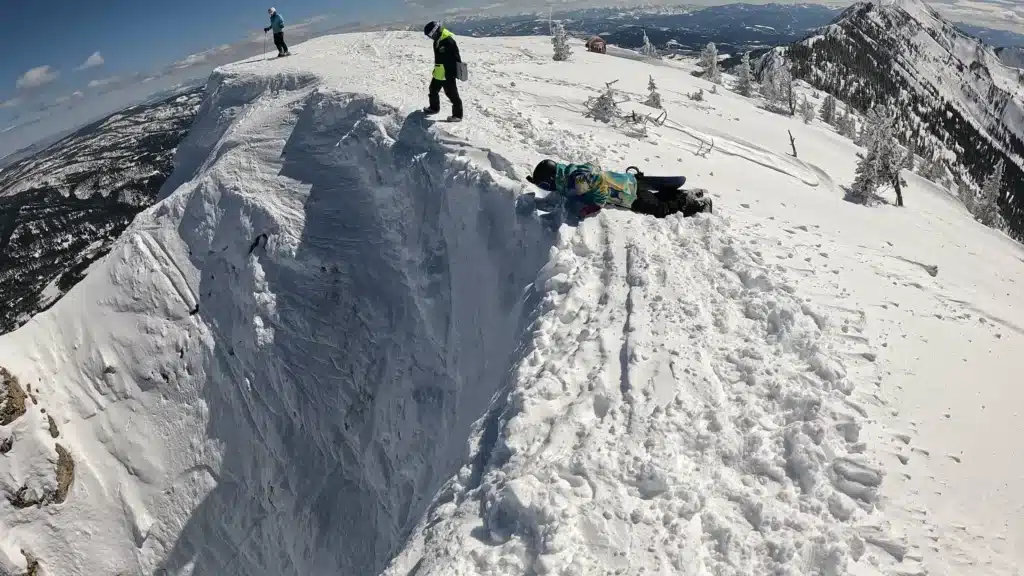
The ski lift is the first step in your adventure, but it’s also where most accidents occur. Are ski lifts safe? Yes, but only if you follow proper protocols.
- Know how to load, ride, and unload properly.
- Don’t distract the lift operator or other skiers while riding.
- Stay in control when you’re getting on and off the lift.
Respect Closed Trails – Don’t Go Beyond the Marked Boundaries
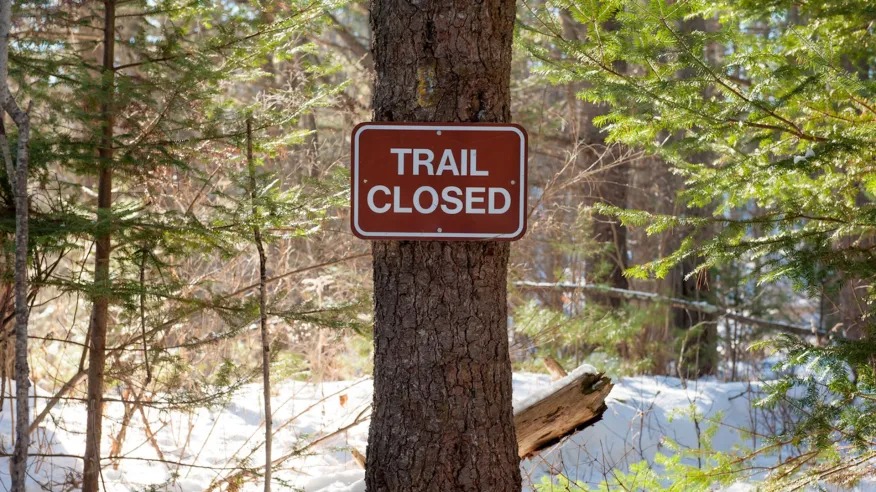
Closed trails are closed for a reason, and venturing onto them can be dangerous. Stay safe and adhere to posted signs and warnings.
- Closed trails may have hidden hazards, poor snow conditions, or avalanche risks.
- Ignoring warnings and entering a closed trail can also lead to fines or accidents.
Wear Proper Gear – Boots, Bags, and Everything in Between
Your gear is your first line of defense on the slopes. A well-fitted ski boot bag for travel will ensure you’re organized and your boots stay in top condition. Also, don’t forget about the essentials for comfort and protection.
- Invest in quality ski boots: Your comfort is essential for your safety.
- Helmet up: Safety first, always.
- Goggles: Visibility on the mountain is critical. Protect your eyes from the sun and snow.
If you’re traveling with your gear, make sure to check out our guide on ski boot bags for travel to keep everything in check!
Know the Trail Signs – Don’t Ignore the Warnings
Credit: thecooldown.com
If you see a posted sign or warning on the slopes, take it seriously. Whether it’s about merging into a trail or avoiding a particular area, these signs exist to protect you. They indicate everything from terrain difficulty to snow conditions.
- Pay attention to posted signs about trail conditions and weather.
- Always check for ski resort updates about the trails you plan to ride.
Stay Alert – Watch for Merging Skiers and Snowboarders
Merging into a trail is one of the most dangerous situations on the slopes. The rule is simple: always look uphill before you move into a new trail or merge. Skiers and snowboarders are often traveling fast, and failing to notice them can lead to collisions.
- If you’re coming onto a trail, make sure to yield to those already on it.
- Stay aware of downhill skiers and snowboarders who have the right-of-way.
Be Courteous to Other Skiers – It’s All About Respect
Skiing is a social activity, but don’t forget about the basic rules of skiing that promote good conduct. Everyone has the same goal: to enjoy the slopes safely. So, be respectful and courteous to your fellow skiers.
- Give other skiers space and don’t cut them off.
- Don’t ski too close to people or objects – maintain a safe distance.
- Avoid skiing in large groups that might block others.
Understand Ski Resort Etiquette – It’s a Shared Space
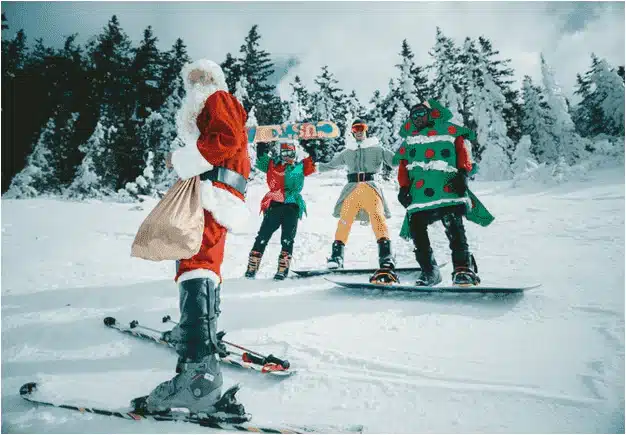
Credit: utahskis.com
Ski resorts are crowded, especially during peak seasons, so it’s crucial to be aware of your surroundings and your fellow skiers. This means following the rules, using your common sense, and being mindful of others.
- Follow signs that indicate ski resort boundaries and safe areas.
- If you need to stop, pull over to the edge to avoid blocking the flow of skiers.
- Ski or ride within your ability – remember, ski safe, ski smart.
Know When to Stop – Don’t Overdo It
Sometimes, the most important thing is knowing when to stop or avoid further skiing. Fatigue can slow your reflexes and make you more prone to accidents.
- If you’re tired, take a break and stay hydrated.
- Don’t push yourself if you’re not feeling up to it.
- Stay in control and stop skiing if conditions become unsafe.
The Bottom Line
Skiing is a thrilling adventure that should be enjoyed responsibly. By following the rules of skiing safety and respecting the skier responsibility code, you’ll not only keep yourself safe but also help make the slopes a safer place for everyone. And remember, skiing is about enjoyment, not just the destination – so ski or ride responsibly, and always have fun! If you’re looking for more ski-related advice, be sure to check out our detailed guides on common ski injuries and how to travel with your gear with the right ski boot bags for travel.
Stay safe out there, and let’s make every run a great one!
FAQ’s
Here’s a quick peek at the most common skiing FAQ’s:
Is skiing safe for beginners?
Definitely! Stick to the basics, ski safely, and you’ll have a blast. Consider taking a lesson if you’re new to the sport!
What should I do if I fall while skiing?
Get up quickly, check your surroundings, and move to the side so you don’t block the slope.
Are ski lifts safe?
Yep! As long as you follow the rules and use proper lift etiquette, ski lifts are safe.
How can I avoid ski injuries?
Wear the right gear, stay in control, and don’t push yourself too hard. Stick to familiar terrain for a safer ride.
What’s the best way to prevent collisions on the slopes?
Stay aware of others, give space, yield to skiers ahead, and follow posted signs.
